The Contribution of Teachers to Society
Teachers do far more than transmit knowledge; they shape character, model values, and support students through every stage of growth. A look at the social role of educators and how they meet today's classroom challenges.
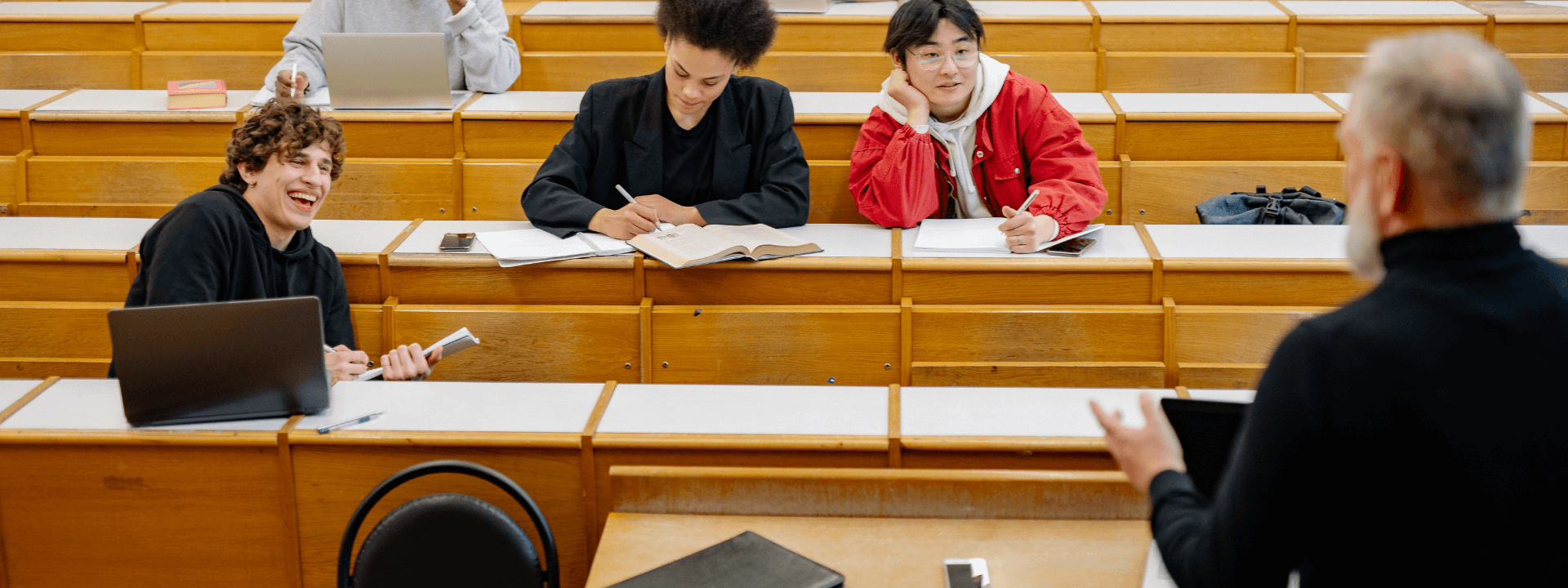
The role of teachers in society is truly invaluable. From preschool through to higher education, teachers carry the responsibility of providing a quality education to all students. They do not simply transmit knowledge; they also influence and shape the character of their students.
Teachers are genuine protagonists in society, since they have the chance to shape the future through the education of the new generations. With their dedication, they create an environment that encourages students’ growth, the development of their abilities, and the discovery of their potential.
Their aim is not only to convey knowledge, but also to be mentors, role models, and sources of inspiration for their students. With their experience and their enthusiasm for education, they offer the guidance and support students need, encouraging them to achieve the best possible result.
The Social Contribution of Teachers
Beyond their responsibility to pass knowledge on to their students, teachers also carry other social obligations. They often act as role models for students, showing them how to behave, communicate, and deal with any problems that arise. They also have the responsibility to safeguard and develop social skills such as cooperation, respect, and interaction with others.
In addition, teachers are responsible for promoting political and social awareness among their students. This includes education for democracy, human dignity, equality, and justice.
Beyond all this, they play a significant role in the psychological support of their students. They often take on the role of counsellor and friend, helping students face personal problems and difficulties. They also promote psychological wellbeing and self-esteem, encouraging students to believe in themselves and develop their potential.
Adapting to Different Learning Styles
A significant factor in effective education is adapting to students’ different learning styles. Every student has a different way of approaching and processing information.
Some students prefer auditory learning, where information is presented through spoken communication and listening. Others are visual learners, meaning they prefer information presented through graphics, images, and diagrams.
To help students with their various learning styles, teachers can use the following techniques:
Differentiated Instruction
Teachers can offer a variety of teaching methods to cover students’ different preferences. For example, they can present information through lectures, use images, and offer practical exercises.
Tailored Materials and Resources
They can offer materials and resources tailored to each student according to their preferences. This may include books, articles, videos, or digital media that present information in different ways.
Using Technology
Technology can be a powerful tool for adapting to different learning styles. In this way, teachers can use online tools, educational software, and programs to offer a variety of learning experiences that fit students’ individual preferences.
Meeting Social Challenges in Multicultural Education
Another issue teachers are called to address is the social challenges arising from increasing multiculturalism in schools. This increase brings with it various social, linguistic, and cultural realities that must be handled with sensitivity and understanding.
First, teachers must be sensitive to the different cultures of their students. This means they should encourage the exchange and understanding of the different views and values students bring from different cultures.
Second, teachers have a duty to promote mutual respect and understanding among students. This can be achieved by educating students about differences and the appreciation of diversity. They can facilitate this process by raising awareness of the different challenges students face, and by offering support and guidance.
Finally, it is essential to promote equality and justice within the educational space. This means treating students according to their individual needs and offering equal opportunities to everyone. Teachers must adapt their teaching methods and provide extra support to students who face either learning difficulties or difficulties stemming from a multicultural reality.
Teachers as Positive Role Models
To sum up, teachers have the opportunity to be positive role models for their students, influencing their personal, social, and ethical development. Through their commitment to education, their respect, and their personal approach, they can inspire students to develop their own skills, values, and potential. Their role is vital to building a society of intelligent, autonomous, and dignified citizens.
At Boffins Academy we are proud of the teachers who make up our team and stand by you throughout your studies. All our teachers hold official teaching certification from the Greek state, and each of them has more than 15 years of experience in the field of education. Their experience, expertise, and personal approach are the ideal combination for an effective and inspiring education that delivers unique results for the students of our online tutoring center.